
Endoscopy & Colonoscopy
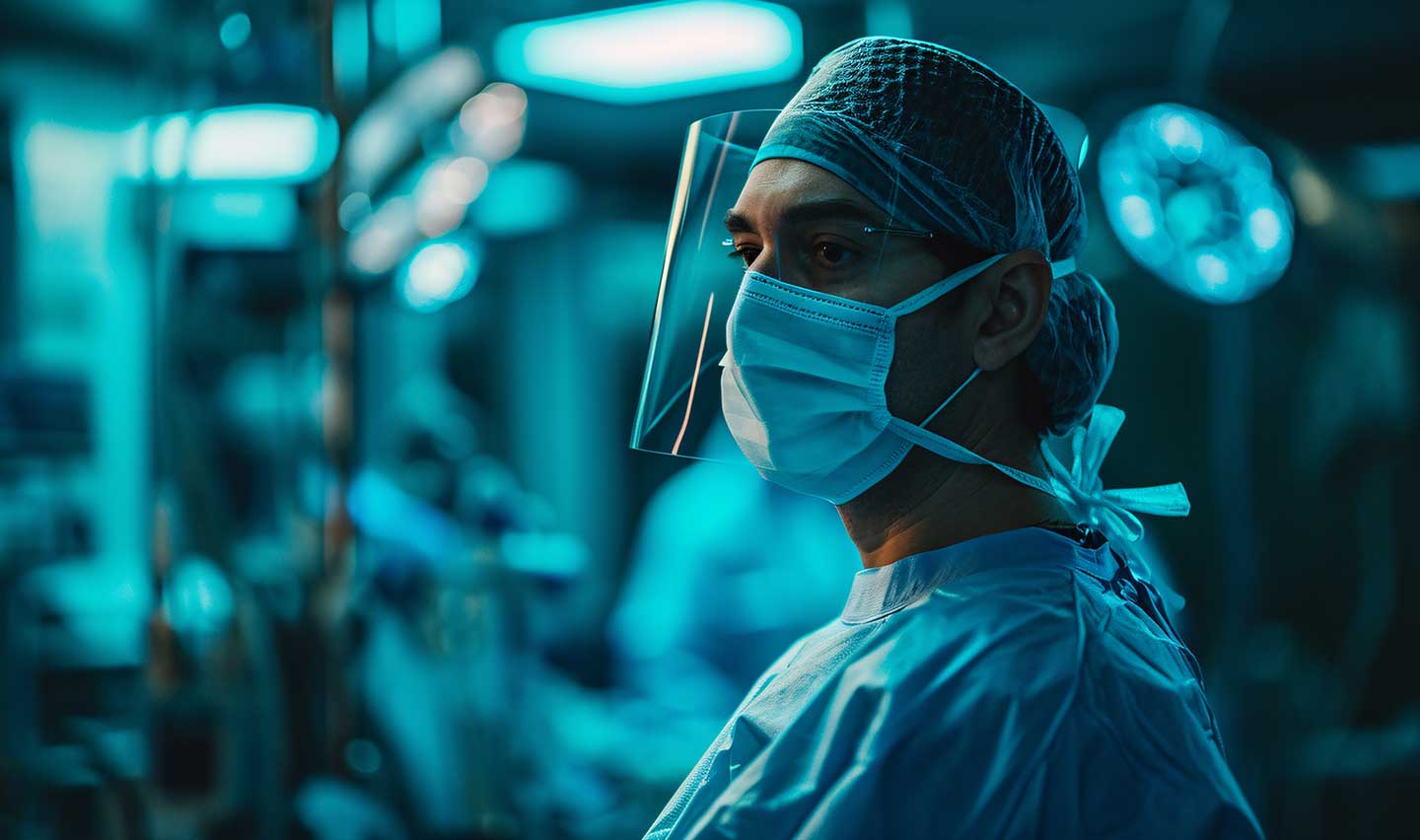
What are Endoscopy & Colonoscopy?
Endoscopy and colonoscopy are safe, commonly performed tests in which a thin, flexible tube with a tiny camera is used to look directly inside the digestive tract. They help find the cause of stomach and bowel symptoms and can detect problems such as ulcers, bleeding, polyps and early cancers.
An upper GI endoscopy examines the food pipe and stomach, while a colonoscopy examines the large intestine. A tissue sample (biopsy) can be taken, and polyps can often be removed during the same procedure.
- Clear view of the digestive tract to find the cause of symptoms
- Biopsy taken during the same procedure when needed
- Removal of polyps during colonoscopy where possible
- Comfortable procedure with sedation and monitoring
- Same-day discharge in most cases
Symptoms That Need a Scope Test
These symptoms can have many causes. If they last more than a couple of weeks, or you notice bleeding, please see a surgeon.
Persistent heartburn, indigestion or upper abdominal pain
Difficulty or pain while swallowing
Blood in stools, black stools or vomiting blood
A lasting change in bowel habits, constipation or diarrhoea
Unexplained weight loss or anaemia
Ongoing abdominal pain, bloating or nausea — get it checked
Endoscopy vs. Colonoscopy
Each test looks at a different part of the digestive tract. Your surgeon will advise which one, or both, you need.
Upper GI Endoscopy
A thin, flexible tube with a camera passes through the mouth to examine the food pipe, stomach and first part of the small intestine. It is used to find the cause of reflux, ulcers, bleeding or swallowing problems.
Colonoscopy
A flexible camera is passed through the back passage to examine the entire large intestine. It detects polyps, inflammation, bleeding and early cancers, and polyps can often be removed during the test.
Conditions Diagnosed and Treated
A direct view of the lining of the digestive tract gives a clearer diagnosis than scans alone.
Acidity, Gastritis & Ulcers
Endoscopy finds inflammation, ulcers and infection such as H. pylori in the stomach lining so the right treatment can begin.
GI Bleeding
Both tests locate the source of bleeding in the digestive tract, and some causes can be treated during the procedure itself.
Polyps & Cancer Screening
Colonoscopy finds and removes polyps before they can turn cancerous, and helps detect cancer at an early, more treatable stage.
Bowel & Swallowing Problems
Chronic diarrhoea, constipation, inflammatory bowel disease, anaemia or difficulty swallowing can all be investigated.
How We Perform Endoscopy & Colonoscopy at Master Surgeon
Led by Dr. S. Ravi Kumar, our team keeps you informed and comfortable from your first visit to your final report.
Consultation & Assessment
A discussion of your symptoms, medicines and medical history to decide which test you need.
Expert ConsultationPreparation Guidance
Simple, clear instructions on fasting, and a bowel-cleansing plan for colonoscopy, so the view is clear.
Clear InstructionsThe Procedure
Performed under sedation so you stay comfortable, with biopsy or polyp removal done at the same time if needed.
Comfort & SafetyMonitoring & Recovery
Your vitals are monitored throughout, and you rest until the sedation wears off.
24x7 SafetyFindings & Discharge
Your surgeon explains what was seen, and most patients go home the same day with clear aftercare advice.
Same-Day DischargeReports & Follow-Up
Biopsy results are reviewed with you, and a treatment or follow-up plan is agreed.
Ongoing SupportEndoscopy & Colonoscopy — Frequently Asked Questions
Is endoscopy or colonoscopy painful?
The procedures are done under sedation, so most people feel little or no pain and often remember very little afterwards. You may feel mild bloating or throat soreness for a short while.
How do I prepare for the test?
For an upper endoscopy you will need to fast for several hours beforehand. For a colonoscopy the bowel must be cleared with a special diet and laxative solution the day before. We will give you exact written instructions, and you should tell us about any regular medicines, especially blood thinners.
How long does it take?
An upper endoscopy usually takes around 15 to 30 minutes and a colonoscopy around 30 to 60 minutes, plus some time to recover from the sedation.
At what age should I get a colonoscopy for screening?
Screening is generally advised from about 45 to 50 years of age, or earlier if you have a family history of colon cancer, polyps or bowel disease, or any warning symptoms. Your surgeon will advise you.
Are there any risks?
These are safe and commonly performed tests. Complications such as bleeding or a tear in the bowel wall are uncommon, but they can occur, especially after polyp removal. Your surgeon will discuss the risks with you beforehand.
Get It Checked in Confidence
Speak to our surgical team for a clear diagnosis and a treatment plan that fits you. Our helpline is available 24x7.
Call +91 96767 17852