
Cholecystectomy — Open & Laparoscopy
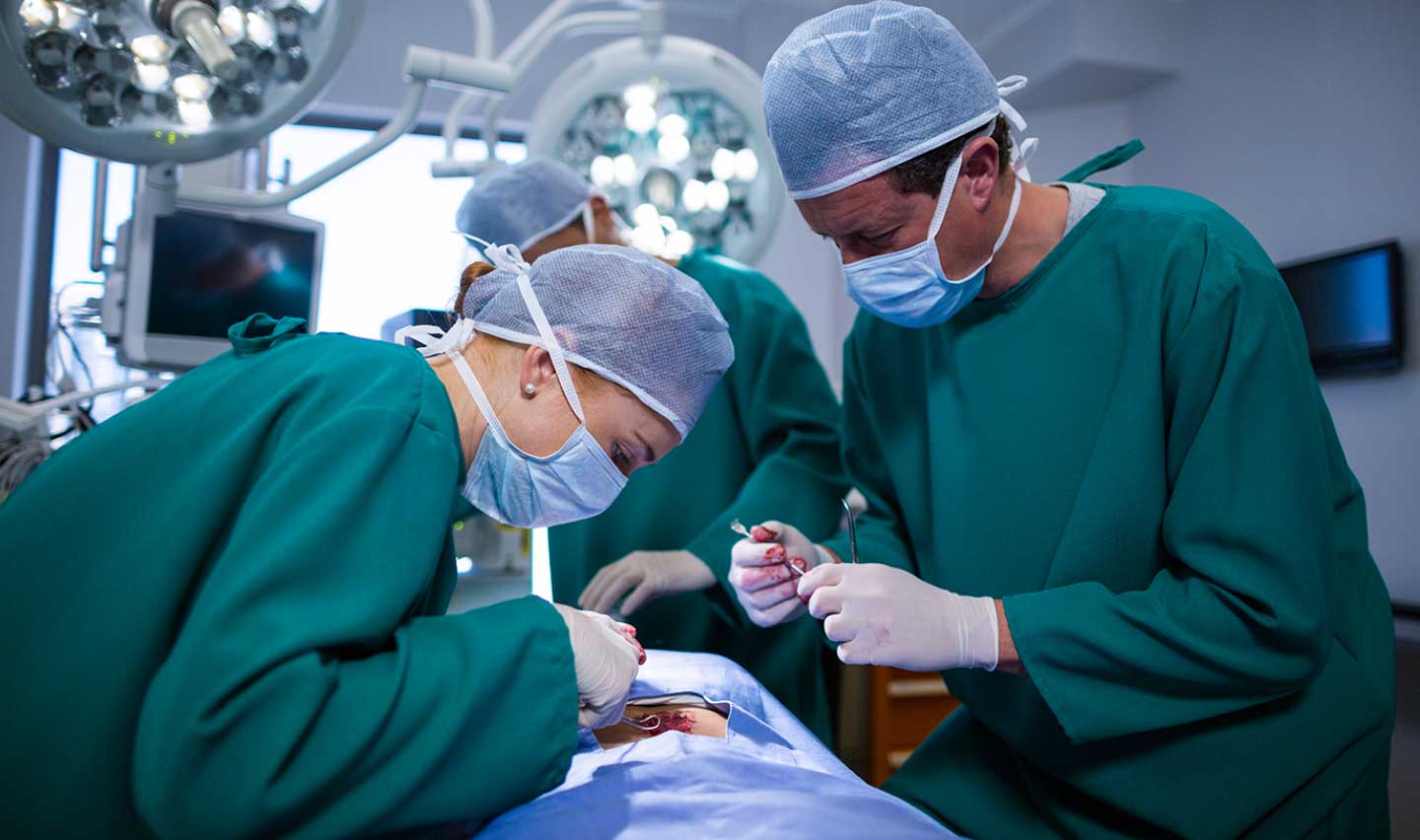
What is Cholecystectomy?
Cholecystectomy is the surgical removal of the gallbladder, a small organ under the liver that stores bile to help digest fats. It is the standard treatment for gallstones and gallbladder inflammation, which can cause severe pain, infection and other complications if left untreated.
The operation can be done as laparoscopic (keyhole) surgery through a few tiny incisions, or as open surgery through one larger incision. Most patients are suitable for the keyhole approach, and your surgeon will recommend what is safest for you.
- Relief from gallstone pain and recurring attacks
- Keyhole (laparoscopic) surgery in most suitable cases
- Open surgery available when it is the safer option
- Short hospital stay and early return to routine
- Clear diet and aftercare guidance
Symptoms of Gallbladder Problems
Gallstone pain often follows a heavy or fatty meal. Please see a surgeon if you have any of these, and urgently if you also have fever or jaundice.
Sudden pain in the upper right or middle abdomen, often after fatty meals
Pain spreading to the back or right shoulder blade
Nausea, vomiting, bloating and indigestion
Fever and chills with severe abdominal pain
Yellowing of the skin or eyes (jaundice), dark urine or pale stools
Pain that lasts for hours or keeps returning — see a surgeon
Open vs. Laparoscopic Cholecystectomy
Both approaches are safe and effective. We choose the one that suits your condition best.
Laparoscopic Cholecystectomy
Keyhole surgery through a few small incisions using a camera. It is the preferred approach for most patients, with less pain, minimal scarring and a quicker return to normal life.
Open Cholecystectomy
The gallbladder is removed through a single larger incision under the right ribs. It is chosen for complicated cases, such as severe infection, dense scarring or previous surgery, where it is the safer route.
When is Gallbladder Removal Needed?
Surgery is recommended when the gallbladder causes repeated symptoms or puts your health at risk.
Gallstones
Hard deposits that form in the gallbladder and cause repeated pain attacks or complications. Removing the gallbladder is the definitive treatment.
Cholecystitis
Inflammation or infection of the gallbladder, usually because a stone blocks its outlet. It causes pain, fever and needs timely treatment.
Gallstone Pancreatitis
A stone that slips out and irritates the pancreas. Surgery is often advised after recovery to prevent repeat attacks.
Gallbladder Polyps
Growths in the gallbladder wall. Larger or growing polyps may need removal to be safe, which your surgeon will assess.
How We Treat Gallbladder Disease at Master Surgeon
Led by Dr. S. Ravi Kumar, our team takes you from diagnosis to full recovery with clear communication at every step.
Consultation & Examination
A detailed history and examination to understand your pain pattern and general health.
Expert ConsultationUltrasound & Blood Tests
Ultrasound of the abdomen and liver function tests confirm gallstones, with further scans only if needed.
Accurate DiagnosisChoosing the Right Approach
Dr. Ravi Kumar recommends laparoscopic or open surgery and explains the benefits and risks in clear terms.
Personalized PlanSafe Surgery
The gallbladder is removed under general anaesthesia by an experienced team with continuous monitoring.
Precision & SafetyRecovery & Diet Guidance
Pain relief, early walking and a simple diet plan, with most laparoscopic patients going home within a day or two.
Quick RecoveryFollow-Up Support
A scheduled review to check healing, with 24x7 support for any concern after you go home.
Ongoing SupportCholecystectomy — Frequently Asked Questions
Can I live normally without a gallbladder?
Yes. The gallbladder stores bile but is not essential for life, as the liver continues to make bile that flows directly into the intestine. Most people digest food normally after surgery.
Do all gallstones need to be removed?
Not always. Stones that cause no symptoms are often only watched. Surgery is usually advised once stones cause pain, infection or other complications. Your surgeon will guide you after examining you.
What is the difference between laparoscopic and open cholecystectomy?
Laparoscopic surgery uses a few tiny incisions and a camera and generally means less pain and faster recovery. Open surgery uses one larger incision and is preferred in complicated cases. Sometimes surgery that starts laparoscopically is converted to open for safety.
How long does recovery take?
After laparoscopic surgery most patients go home within 1 to 2 days and return to light activity within about a week. Open surgery usually needs a longer stay and recovery. Your surgeon will guide you on your own timeline.
What should I eat after gallbladder surgery?
Start with light, low-fat meals and slowly return to your normal diet over a few weeks. Some people find very oily or spicy food upsets their stomach for a while. Our team will give you a clear diet plan.
Get It Checked in Confidence
Speak to our surgical team for a clear diagnosis and a treatment plan that fits you. Our helpline is available 24x7.
Call +91 96767 17852